Can a Person’s Name Be Illegal? The How (and Why) Behind Banned Names
Can parents name their children whatever they want?
Reporter’s Privilege: Protecting the Right to Know
Discover what reporter's privilege is and how it protects everyone's right to…
15 of the Most Famous Banned Books in US History
From government challenges to library restrictions, these are some of the most…
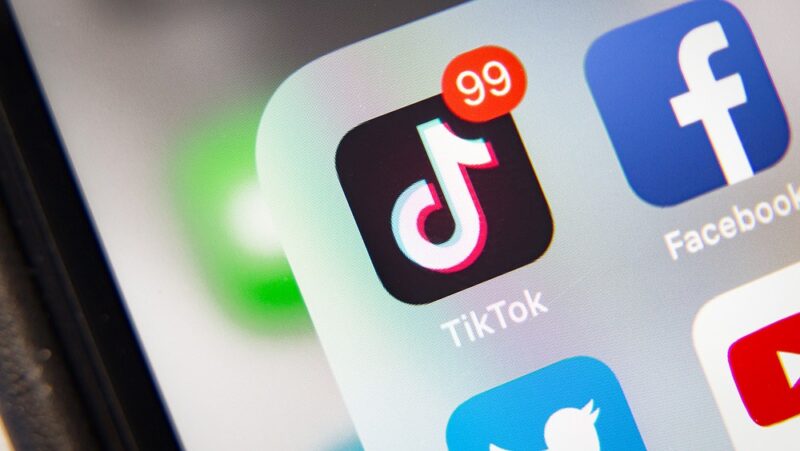
Is the TikTok Law a Violation of the First Amendment?
Exploring the First Amendment implications of the new TikTok law.
Are License Plates Free Speech?
Can the government censor custom license plates?
Upcoming Events
Thursday, Jun 13 @ 6:00 pm
2024 Free Expression Awards
Saturday, Jun 22
Al Neuharth Free Spirit and Journalism Conference 2024
Horse Race Journalism: Finding Election Coverage Beyond the Polling Numbers
Much of election coverage is the latest polling, but there's more journalism to be had.
First Amendment Supreme Court Cases: 2023-2024 Term
Explore key First Amendment Supreme Court cases of the 2023-2024 term.
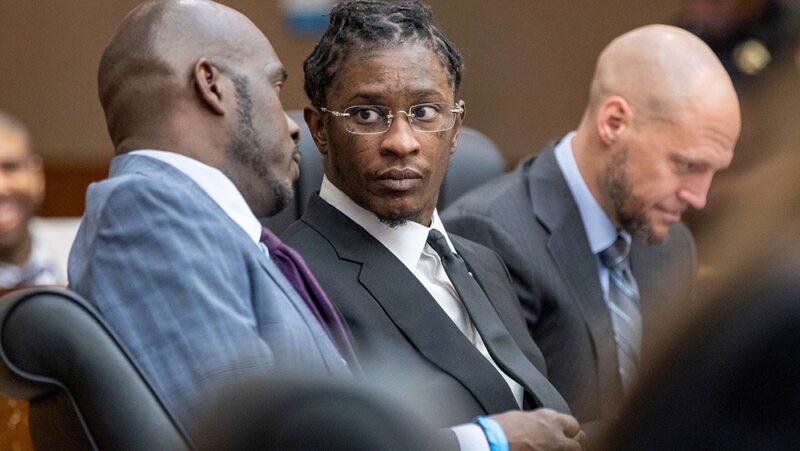
Can Rap Lyrics Be Used as Evidence in Court? A First Amendment Analysis
When do rap lyrics go beyond protected free speech?
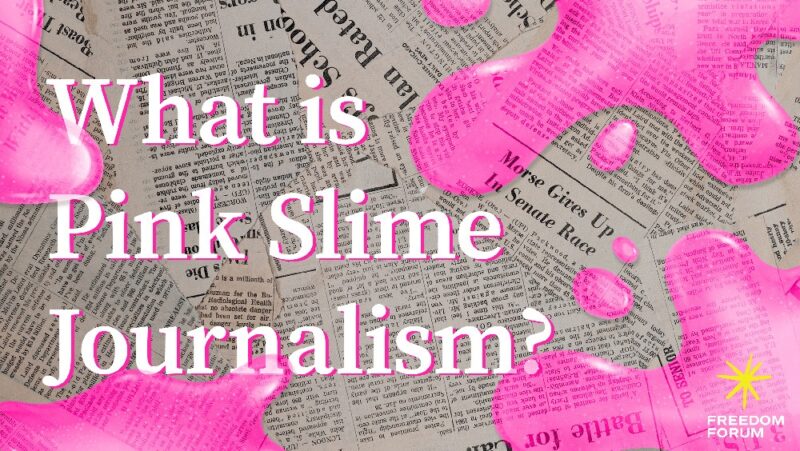
Pink Slime Journalism: Separating Ethical News From Propaganda
What is pink slime journalism and how does it relate to the First Amendment?

U.S. Journalist Evan Gershkovich Marks One Year of Imprisonment in Russia
Gershkovich remains in prison a year after he was arrested for doing his job.

How to Write a Letter to the Editor: Examples, Tips and More
Put your press hat on and speak up about issues you care about.
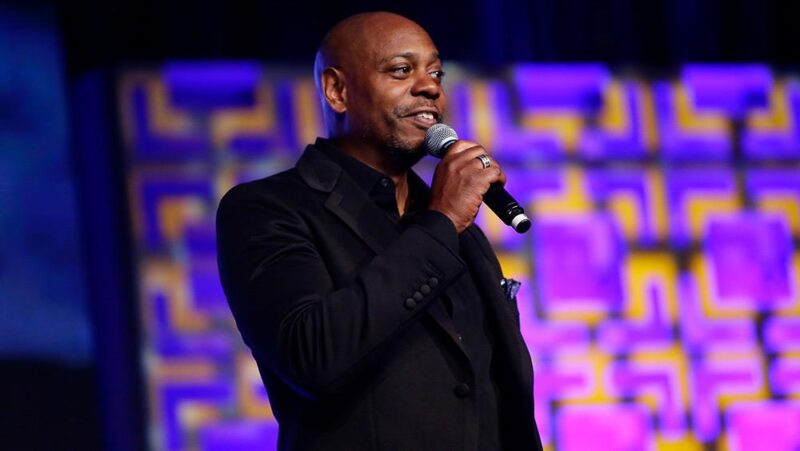
Canceled Comedians: 15 Performers Who Have Been ‘Canceled’ (and Why)
Exploring comedy, free speech and "cancel culture."
49% of Americans can identify religion as a First Amendment freedom.
Our Experts
The Freedom Forum’s network of experts bring a wide range of backgrounds in law, education and civil society to their analysis and commentary on First Amendment issues.